
We provide sustainable energy solutions.
1. Ceramics
Solar employs a gas turbine-based Combined Heat and Power (CHP) solution to enhance energy efficiency and reduce consumption in the ceramics industry. In addition to providing electricity for ceramic production equipment, this solution innovatively channels high-temperature exhaust gas from the gas turbine into the spray drying process—a core ceramic production stage. Introducing this high-temperature gas into the spray drying tower increases the energy utilization efficiency of the ceramic drying process from the original 27?32% to 75?90%, substantially reducing both electricity and fuel costs for the ceramics industry. LSHE supplied a GT60 gas turbine generator set to industry-leading enterprise Dongpeng Ceramics, marking China's first gas turbine?based drying solution for ceramic production.

2. Institutions
Our power generation products are widely installed across a range of facilities, including colleges and universities, hospitals, government institutions, and rural electric cooperatives. In combined heat and power (CHP) or combined cycle configurations, our gas turbine generator packages can achieve thermal efficiencies of 80% or higher by recovering heat from turbine exhaust to generate steam, preheat combustion air, or supply hot air for heating and cooling applications.

3. Power
Power Generation: Meets rapidly growing electricity demand.
Environmental Stewardship: Captures and utilizes previously wasted steam to minimize carbon footprint.
CHP Resilience: Provides robustness against outages and storm?induced disruptions.
Cost Efficiency: Delivers electricity at a lower overall cost.
4. Commercial
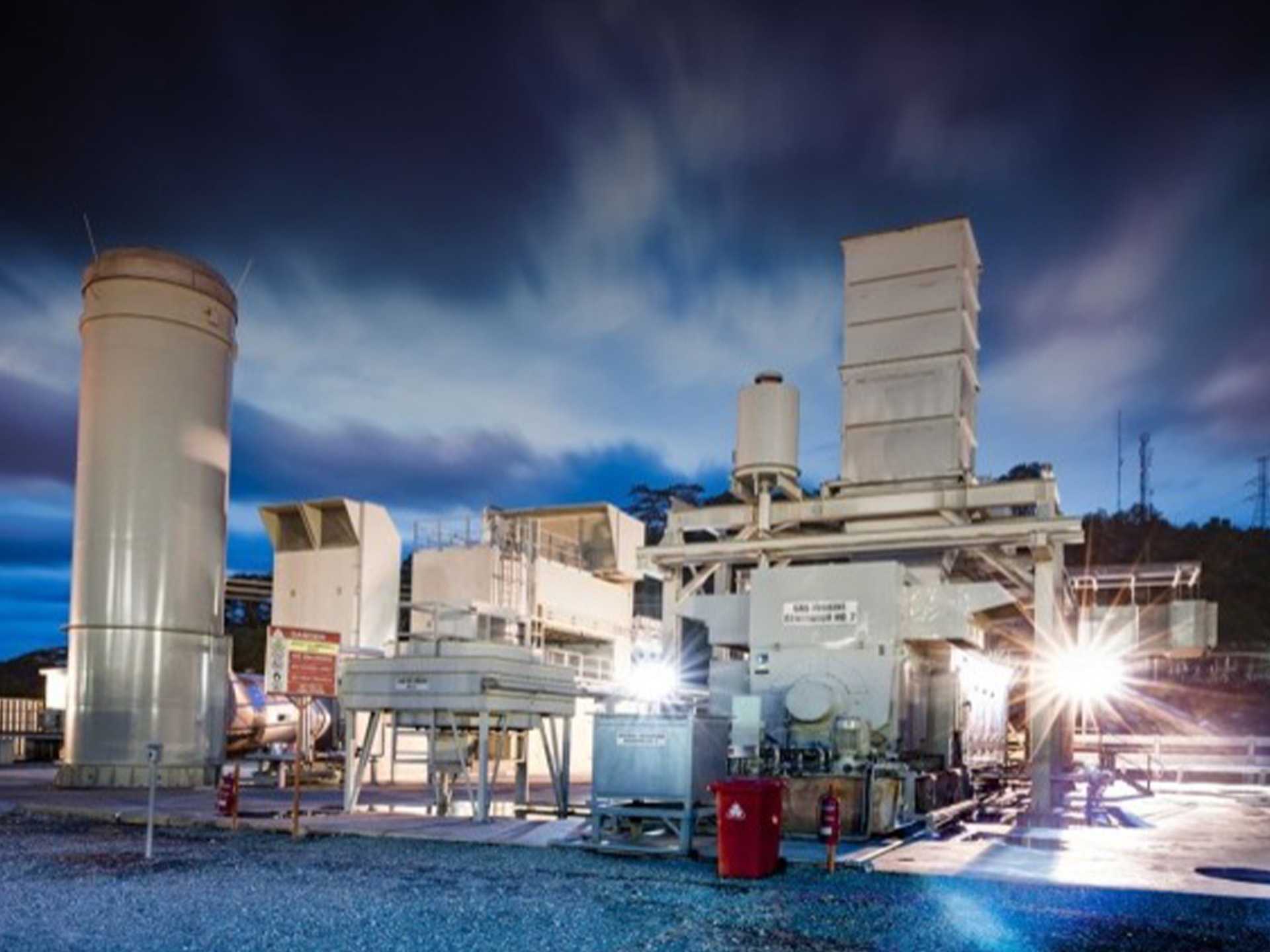
Solar provides power solutions tailored to the needs of the commercial sector. Some of our commercial customers have achieved such substantial savings that they recouped the full initial investment in their new Solar solution within just a few years. Over 1,500 Solar customers have adopted combined heat and power (CHP)/cogeneration to save costs and reduce their carbon footprint. These commercial clients have not only lowered their plant operating expenses but have also advanced their sustainability goals through CHP.

5. Pulp & Paper
The pulp and paper industry is a traditional high-energy?consumption sector, requiring significant amounts of electricity and steam (or hot air) in its production processes. Solar's advanced energy solution for the pulp and paper industry utilizes gas turbine?based combined heat and power (CHP) technology to supply the necessary electricity and thermal energy for various process equipment, thereby effectively reducing customers' carbon emissions and energy consumption.
6. Food & Beverage
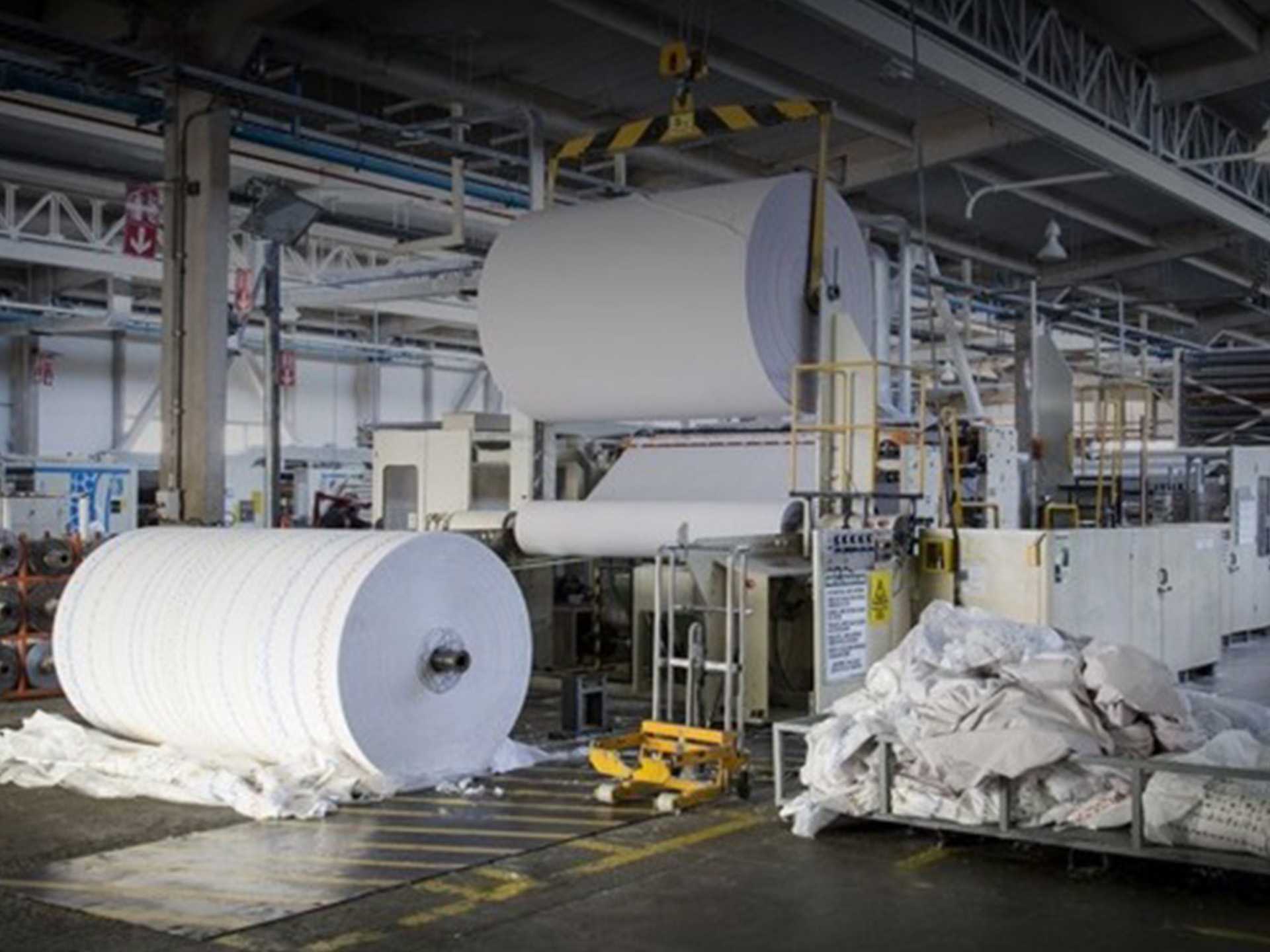
Solar Turbines provides energy solutions for power generation through gas turbines, with extensive experience in the food and beverage industry. Our combined heat and power (CHP) products enhance system reliability, efficiency, and uptime, preventing production disruptions at breweries, distilleries, or food processing plants. After purchasing our products, Solar offers lifecycle support through one of its long?term service options.
By utilizing our CHP technology, Solar can help produce the steam required for operations while reducing energy costs. Furthermore, our solutions assist in lowering carbon dioxide and nitrogen oxide emissions as well as carbon footprint levels, thereby supporting customers in achieving their sustainability goals.

7. Marine Propulsion
Solar Turbines delivers premier energy solutions utilizing power generation turbomachinery. In the maritime sector, our diverse range of solutions is designed to maximize the availability, reliability, and value of marine propulsion systems over their entire lifecycle.
Key benefits include:
Ultra?clean liquefied natural gas (LNG) operation
Quiet operation
Industry?leading availability and reliability
Low lifecycle costs
Excellent emission performance exceeding the International Maritime Organization (IMO) NOx Tier III requirements

8. Refinery Gases
Solar Turbines' modular industrial gas turbines, capable of operating on natural gas or hydrogen?rich gases, can be integrated with combined heat and power (CHP) systems to significantly enhance energy efficiency and reduce emissions. A key benefit of this gas turbine solution is its flexibility to utilize steam independently or in blended forms as refinery output fluctuates and various gas producers/consumers come online or go offline. Compared to alternative solutions, this capability enables customers to reduce flaring and improve thermal efficiency while fully realizing the value of low?emission combined cycle or CHP configurations. CHP utilizing waste gas combustion replaces existing onsite or imported thermal and power generation at a plant, typically reducing the facility's Scope 1 and/or Scope 2 greenhouse gas (GHG) emissions.
Solar's capabilities and reference projects are unique in the downstream market at this power level, covering gases with a BTU range from very low to very high, including those containing carbon monoxide and/or hydrogen?rich components.

9. Data Centers
The world relies on Solar Turbines for reliable, clean power. As individuals, companies, and governments migrate more data from on?premises storage to hybrid, cloud, and colocation data centers, Solar delivers solutions that meet customer needs in this critical and growing market.
Rapid start?up, fuel flexibility, low emissions.
The Solar Centaur 40 gas turbine meets the energy demands of data centers with features including:
Engine start?to?full?load time of less than 45 seconds from a cold start
Acceptance of 100% load steps without compromising power quality
Instant fuel switching between diesel and natural gas to reduce emissions while meeting uptime requirements
Capability to blend renewable and hydrogen fuels
NOx emissions below 15 ppmv (parts per million by volume), reducing permitting challenges
10. Steel Product Gases
During steel manufacturing, various secondary fuel gases—often referred to as process off?gases—are generated. These gases possess calorific value that supports both the economic and environmental competitiveness of modern steel production.
Coke Oven Gas (COG) is a by?product of the coking process in steel plants. It contains high levels of hydrogen along with significant amounts of dust and corrosive contaminants. These waste streams are captured and treated before combustion in gas turbines to reduce the quantities of H?S, tars, BTX, and dust.
Beyond certain thresholds, contaminants must be removed to maintain gas turbine availability. Solar provides technical specifications regarding gas quality, offering guidance for contaminant removal. Over the years, Solar’s experience has led to significant improvements in permissible contaminant levels, aligning with alternative technologies.
Fill in product intention
400-881-8829
400-821-3319